Project Highlights
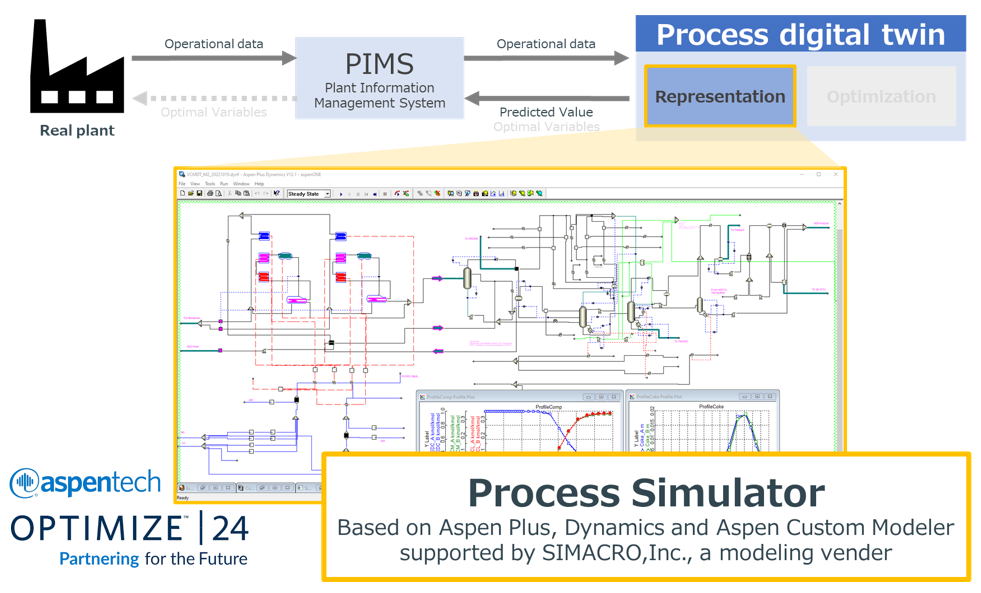
Process Digital Twin
-
Benefits:
Achieved annual savings over $1M USD through a fuel distribution study alone
Predicted remaining operational hours based on the current coke production trend
Visualized previously invisible chemical dynamics using digital twin metadata
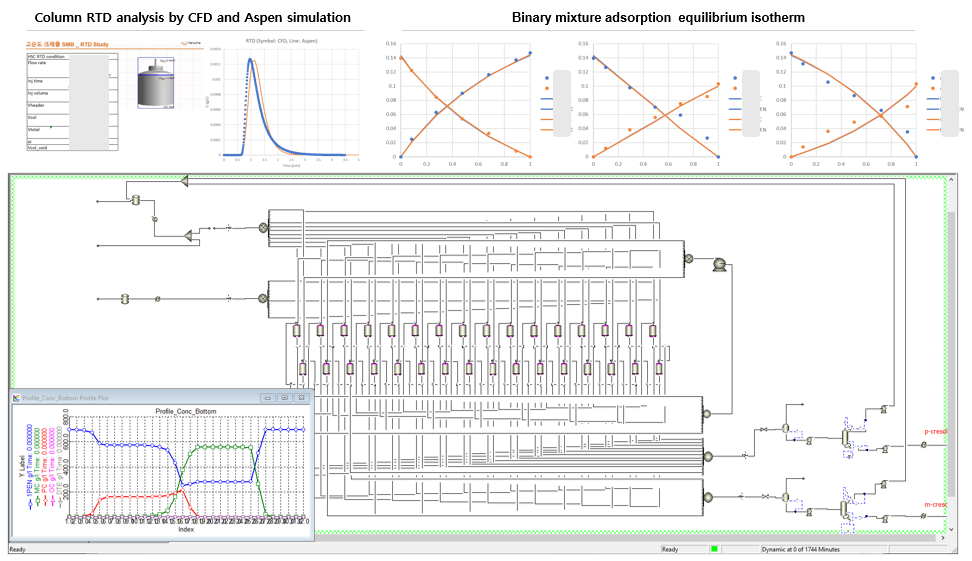
-
Benefits:
Developed an online Digital Twin (DT) simulator for an alkylphenol manufacturing plant, incorporating a 32-column SMB process and downstream distillation columns for solvent recovery
Supported real-time operation by obtaining data from the DCS or plant historian, predicting current and future plant performance, and assisting operators with actionable insights
Maintained simulation accuracy through automated re-validation and updates depending on the model parameters of interest
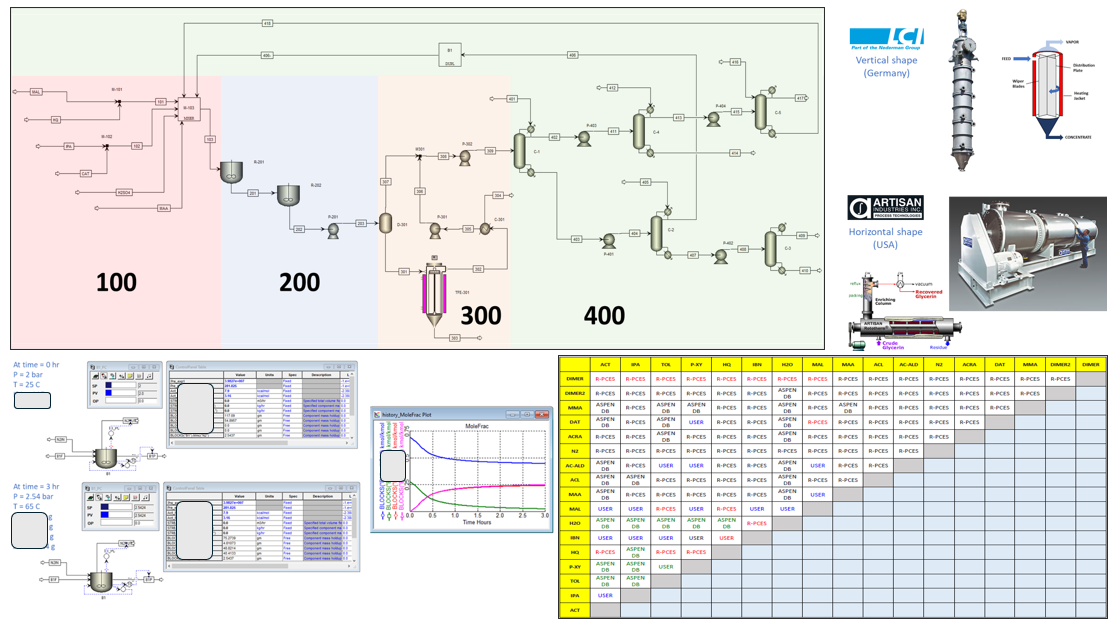
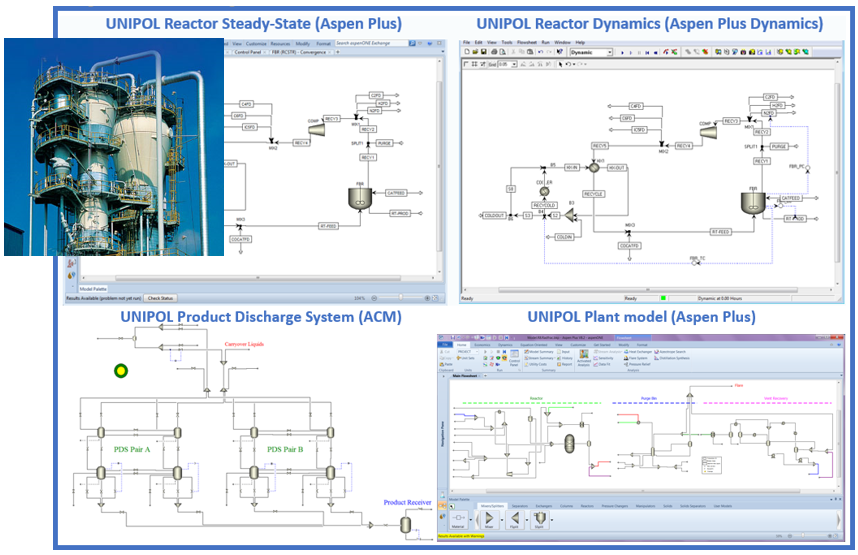
-
Benefits:
Achieved a $30 M reduction in investment costs through the optimal design of the commercial reactor
Reduced operational costs by minimizing side-product formation by 20%
-
Benefits:
Identified sensor malfunctions and updated P&ID/PFD diagrams to ensure process accuracy
Monitored heat exchanger efficiency and predict Overhead Line Corrosion (OLC) points to maintain performance
Optimized column operations to enhance efficiency & productivity
Predicted catalyst lifespan to plan timely replacements & reduce costs
Conducted economic assessments for new or modified crude assays to evaluate feasibility
-
Benefits:
With enabled real-time tracking of LNG heat exchanger performance and predicting potential degradation through the use of SIMACRO’s patented approach of M1 and M2 models, proactive maintenance and minimized downtime were achieved
By reconciling actual plant data with model predictions, the digital twin system ensured accurate performance insights, improving energy efficiency and reducing operational costs
-
Ongoing
Aspen Modeling & Consulting
-
Benefit:
PSA modeling and simulation enabled the fine-tuning of operational parameters such as pressure cycles, adsorption/desorption times, and adsorbent selection, maximizing efficiency and hydrogen recovery rates
-
Benefits:
Predicted plant performance history over the past 5 years to analyze trends and identify areas for improvement
Empowered the customer to internalize expertise in modeling and simulating ion exchange chromatography processes
-
ongoing
-
Benefits:
Enhanced researchers’ understanding of complex fermentation processes
Reduced the reliance on extensive experiments or pilot tests
Maximizes the scalability and adaptability of fermentation research
Process Design
-
Benefits:
Developed proprietary EMC, DEC technologies for the first time in Korea to maximize business competitiveness of electrolyte organic solvents for lithium-ion batteries used in EVs
Allowed technological monopoly of global hydrogen, promoting first commercializing in Korea
-
Benefits:
Developed batch operational strategies to maximize cellulose derivative production
Ensured the optimal design for separation steps
-
Benefits:
Reduced waste solvent from optimization of solvent recovery tower operation
Saved costs by reducing raw material usage from solvent change simulation